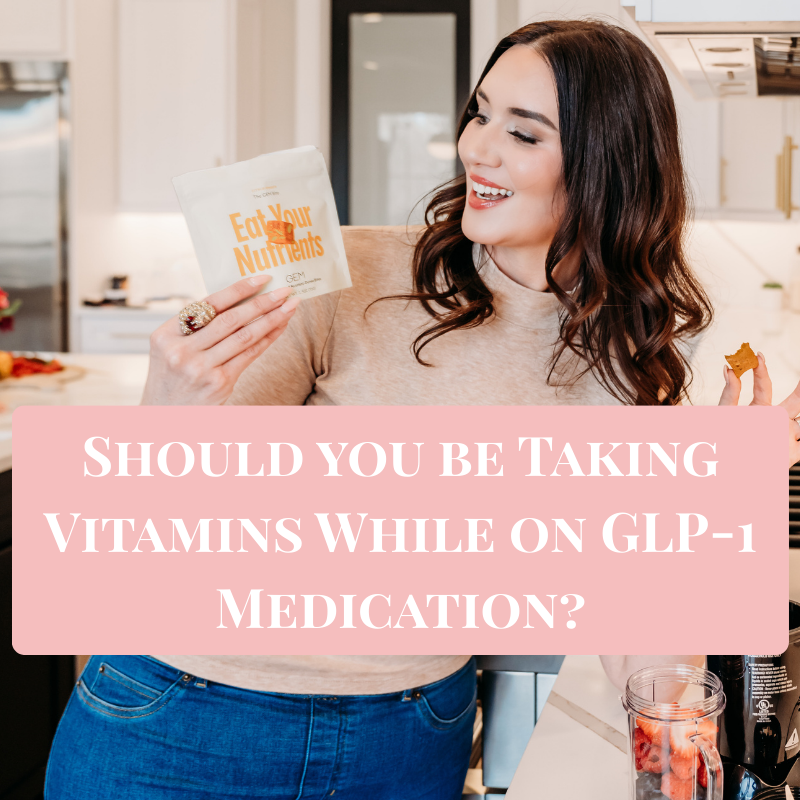
GLP-1 medications have been a game-changer for many, offering powerful support in managing blood sugar management and achieving weight loss. As you embark on this journey, it’s natural to wonder about every aspect of your well-being, including your nutritional needs. It’s natural to wonder about every aspect of your well-being, including your nutritional needs and if vitamin supplements while on GLP-1 medication are needed.
One question that often comes up in discussions is about dietary supplements. With GLP-1 drugs impacting your appetite and food intake, it’s a really valid thought: “Am I still getting all the essential nutrients my body needs? Should I be taking vitamin supplements?” This is such an important topic, and one we should approach with optimism and a commitment to accuracy, always remembering that personalized advice from your healthcare provider is the gold standard.
| Key Points from this Post – GLP-1 medications can lead to reduced food intake and potential gastrointestinal side effects, which may create nutrient gaps during weight loss. – Certain dietary supplements like multivitamins, Vitamin D, Vitamin B complex, and protein supplements might be considered to help meet nutritional needs and preserve muscle mass. I personally take and recommend GEM as my daily multivitamin. – Be very cautious of “natural GLP-1 supplements” marketed as alternatives to prescription GLP-1 medications, as they lack scientific evidence and may not be safe or effective. |
Sign Up for my Weight Loss Encouragement Emails
Why Consider Vitamin Supplements While on GLP-1s?
The core reason to consider dietary supplements while on GLP-1 medications boils down to ensuring you’re meeting your body’s nutritional needs during a period of potentially reduced food intake and significant metabolic change.
- Reduced Calorie Intake Can Lead to Nutrient Gaps: GLP-1 drugs are incredibly effective at reducing appetite. While this is key for weight loss, it means you might be eating less food overall. Even with a focus on a healthy diet rich in whole grains, lean proteins, fruits, and vegetables, it can be challenging to get all the essential nutrients when your calorie intake is significantly lower. Over time, this can lead to nutrient gaps or deficiencies.
- Gastrointestinal Side Effects Can Impact Nutrient Absorption: Some individuals experience gastrointestinal side effects with GLP-1 medications, such as nausea, vomiting, diarrhea, or constipation. These effects, even if temporary, can affect how well your body absorbs vitamins and minerals from the food you do eat. If you’re feeling nauseous, you might also naturally gravitate towards a more limited range of foods, further restricting your nutrient intake.
- Preserving Muscle Mass During Weight Loss: Anytime you lose weight, there’s a risk of losing some muscle mass along with body fat. Preserving muscle mass is incredibly important for maintaining a healthy metabolism, energy levels, and overall strength. Your muscle function plays a crucial role in glucose metabolism and supports long-term weight management. Ensuring adequate protein intake and potentially supplementing with protein supplements can be very beneficial here.
- Specific Nutritional Needs for Metabolic Health: Many people starting GLP-1 medications are managing underlying health issues like type 2 diabetes, high blood pressure, or metabolic syndrome. These conditions often have specific nutritional needs or may be associated with certain vitamin deficiencies (e.g., Vitamin D deficiency is common in people with type 2 diabetes or obesity).

Key Supplements to Discuss with Your Healthcare Provider
Given these considerations, here are some dietary supplements that are often discussed as potentially beneficial for individuals on GLP-1 medications. Remember, this is for discussion with your healthcare provider, not a prescription!
- A High-Quality Multivitamin: This is often the best way to provide a general nutritional safety net. A good multivitamin can help fill in any nutrient gaps that might arise from reduced food intake. It ensures you’re getting a baseline of important vitamins and minerals like Vitamin C, Vitamin E, zinc, selenium, and various B vitamins.
- Vitamin D: Vitamin D plays a crucial role in bone health, immune function, and insulin sensitivity. Many people, especially those with obesity or certain health conditions, are already deficient in Vitamin D. Given its potential impact on glucose metabolism and blood sugar regulation, discussing Vitamin D supplementation with your healthcare provider is often recommended. They can check your levels and advise on the appropriate dosage.
- Vitamin B Complex: B vitamins (like B6, B12, folate, thiamine) are essential for energy levels, healthy metabolism, and nerve function. They help convert food into energy. If food intake is reduced or nutrient absorption is compromised due to gastrointestinal side effects, B vitamin deficiencies could impact your vitality. Vitamin B12 is particularly important to monitor, especially if you have conditions that affect its absorption.
- Protein Supplements: To help preserve muscle mass during weight loss, ensuring you consume recommended amounts of proteins is paramount. If your food intake makes it difficult to get enough protein from main meal sources, protein supplements (like whey, casein, or plant-based proteins) can be a convenient nutritional option. Maintaining muscle mass is key for sustaining energy levels and keeping your healthy metabolism strong.
- Electrolytes: If you experience significant gastrointestinal side effects like vomiting or diarrhea, or if you’re exercising more and sweating, you might be losing important electrolytes (like sodium, potassium, and magnesium). Your healthcare provider might recommend an electrolyte supplement to prevent issues like muscle cramps or fatigue, which can be related to low blood sugar levels or dehydration.
- Probiotic Supplement: The gut health connection to overall health is undeniable. Some GLP-1 medications can alter the gut microbiome or cause digestive health discomforts. A probiotic supplement might help support gut health and alleviate some gastrointestinal side effects, though more research is needed specifically on GLP-1 users.
- Fiber Supplements: Because GLP-1 medications can slow gastric emptying and sometimes lead to constipation, increasing fiber intake can be beneficial. If your reduced food intake makes it hard to get enough fiber from fruits, vegetables, and whole grains, a fiber supplement might help promote digestive health and regularity.
My Personal Choice for a Daily Vitamins while on GLP-1 Medication: GEM
My experience, strength and hope after losing over 100 pounds over 2 years, is using GEM’s real food multivitamins.
I switched some time ago to GEM Bites when my dentist told me my gummy vitamins could lead to cavities in my teeth and recommended I take a different vitamin.

Each GEM Bite is real food (yes, even pumpkin seeds!) that has helped ensure I have the nutrition I need while losing weight over the last two years. I highly recommend and it is Countess of Shopping approved.

Beware the So-Called GLP-1 Supplements
It’s important to address a growing trend: natural GLP-1 supplements, so-called GLP-1 supplements, or products marketed as “Nature’s Ozempic” or “Lemme GLP-1 Daily.” These dietary supplements often claim to increase your body’s GLP-1 production or activate GLP-1 receptors using natural ingredients like green tea extract, berberine, or various botanicals.
It’s crucial to understand that these over-the-counter products are not the same as prescription medications. GLP-1 medications (like Ozempic, Wegovy, Mounjaro, Zepbound) are prescription drugs with specific active ingredients and dosages that have undergone rigorous clinical trials for safety and efficacy in blood sugar management and weight loss.
Claims made by these “natural GLP-1s” often lack scientific backing and there’s no guarantee of their purity, potency, or safety. Always be very cautious about new supplement products that promise results similar to prescription drugs without the scientific evidence to support them. Your healthcare provider is the only one who can prescribe GLP-1 medications.
The Crucial Conversation: Talk to Your Healthcare Provider
Before you consider taking any dietary supplements, or making any changes to your drug administration or existing supplement regimen, the most important step you can take is to have an open and honest conversation with your healthcare provider or a registered dietitian.
Why is this so vital?
- Individualized Needs: Your nutritional needs are unique. They depend on your specific health condition, the type and dosage of your GLP-1 medications, your current food intake, any gastrointestinal side effects you’re experiencing, and other prescription medications you might be taking.
- Potential Interactions: Some supplements can interact with GLP-1 medications or other prescription drugs, either reducing their effectiveness or increasing potential benefits or risks. For example, supplements affecting blood sugar levels could impact your blood sugar regulation in conjunction with the GLP-1 agonist.
- Monitoring and Adjustments: Your healthcare provider can assess your current nutrient levels through blood tests if necessary. They can recommend the right supplements and dosages for you, ensuring they align with your weight loss goals and overall metabolic health. They can also advise on the best way to manage gastrointestinal side effects and monitor your progress to ensure you get the best results.
Remember, these prescription medications are powerful tools, and ensuring you’re getting the essential nutrients your body needs is a key part of using them effectively and safely.
Embracing a Holistic Approach
Navigating your health journey, especially with new prescription medications, can feel like a lot to manage. But remember, you’re not alone, and every step you take towards understanding your body better is a step in the right direction. GLP-1 agonist medications are an incredible nutritional option and tool, but they work best results when supported by a holistic approach:
- A healthy diet: Focus on nutrient-dense foods that provide essential nutrients.
- Regular physical activity: To preserve muscle mass and improve insulin sensitivity.
- Sufficient sleep: For energy levels and metabolic health.
- Stress management: To support overall well-being.
- And, of course, close collaboration with your healthcare provider: They are your best resource for personalized guidance.
By carefully considering your nutritional needs and working with your healthcare team, you’re empowering yourself to achieve not just weight loss, but lasting health and vitality. You’ve got this!

Disclaimers: Friends, I am not a medical professional, nor do I pretend to be one on the internet. This information is for educational purposes only, gathered from trusted sources and my personal experiences. Always consult with your healthcare provider before making any changes to your medication or lifestyle. This post has links included that are affiliate links. Countess of Shopping & her furbabies will be compensated when you make a purchase by clicking through the links at no cost to you.


